10K vs 14K vs 18K: the real difference (not the marketing one)
Which one lasts longer, shines more, holds value better, and which one suits what you actually want it for.
Yuliet
Co-founder· Ariel's Jewelry
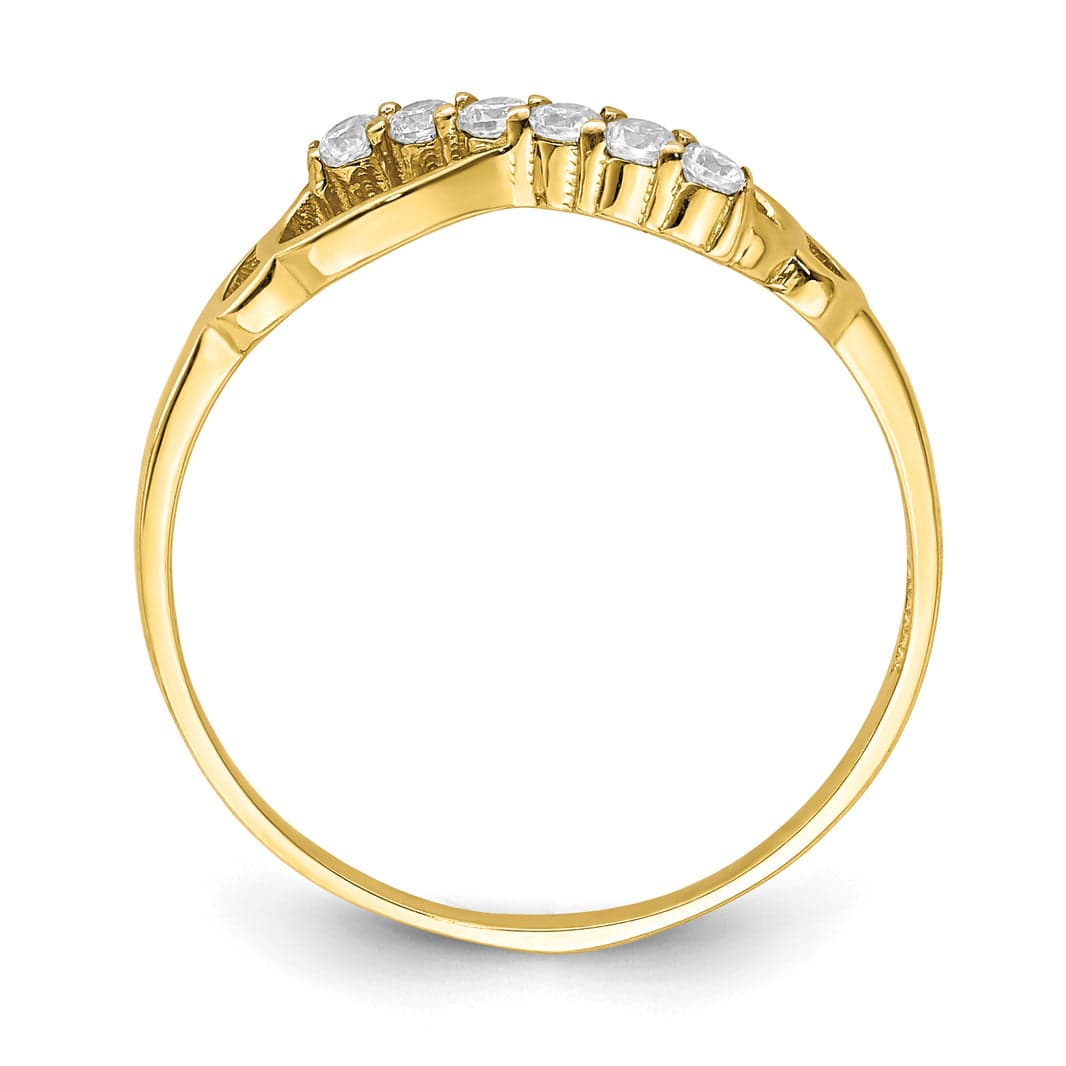
The most common question we get in store. The short answer: it depends. But if you've got 4 minutes, I'll break it down properly.
What karats mean
Pure gold (24K) is too soft for jewelry. Scratches, bends, can't handle it. That's why it's mixed with other metals (copper, silver, palladium) to make it durable. Karat tells you how much gold is in the mix:
- 10K → 41.7% gold · 58.3% other metals
- 14K → 58.3% gold · 41.7% other metals
- 18K → 75% gold · 25% other metals
- 24K → 99.9% pure gold
Shine and color
18K has the warmest, deepest yellow — the 'real gold' look many people want. 14K is shinier in a sparkle sense (reflects more light because of the mix). 10K is paler, closer to a light yellow.
Durability
Here's where most people get surprised: 10K is harder, not softer. Less gold, more alloy, so it resists hits and scratches better. 18K is softer because it's more gold. That's why daily-wear rings are usually 14K (balance) and never 24K.
Resale and value
If you're thinking about selling the piece someday, 18K holds more value per gram (more gold = better price). 10K resells but at scrap value. 14K is the realistic middle ground for resale.
Allergies and sensitive skin
10K has more copper and nickel — if your skin reacts, move up to 14K or 18K. 18K is virtually hypoallergenic.
Quick table
- First gold piece or chain as a gift: 14K
- Wedding ring you'll wear daily: 14K
- Investment piece, high-end: 18K
- Heavy daily wear, tight budget: 10K
- Sensitive skin: 14K or 18K (never 10K)

